Can Health and Beauty Fulfillment Handle Kitting, Bundling, and Subscription Boxes?
Can Health and Beauty Fulfillment Handle Kitting, Bundling, and Subscription Boxes?
…
Health and Beauty Fulfillment
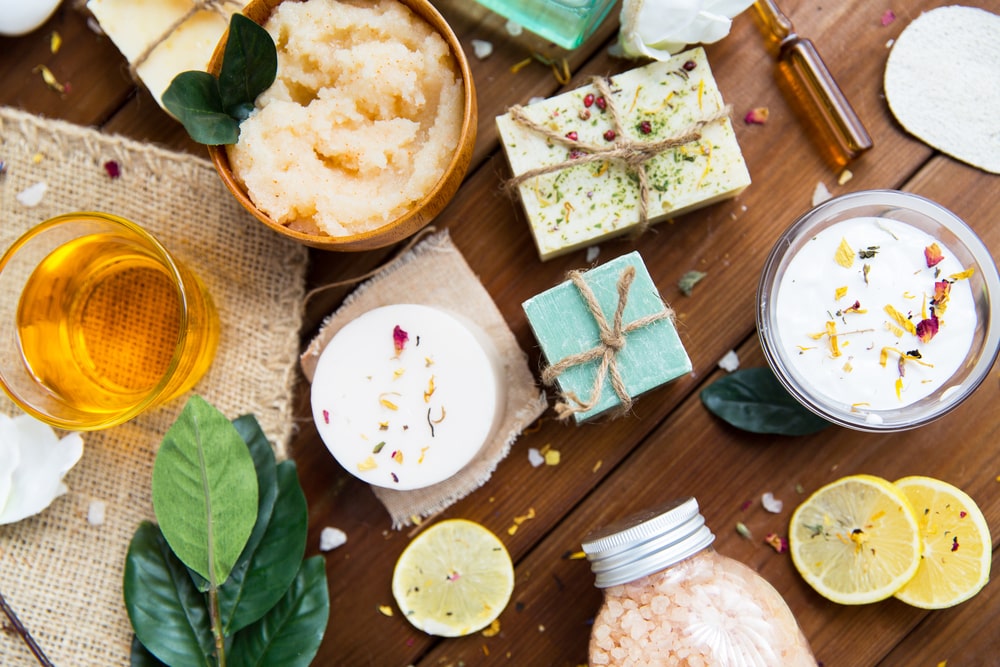
A customer sees a beautiful skincare set arrive at their door.
Inside the box are a cleanser, serum, moisturizer, sample-size product, branded card, and a perfectly arranged insert explaining how to use everything.
It looks simple.
Behind the scenes, it may be anything but.
That single package could require multiple products to be picked, specific instructions to be followed, promotional materials to be inserted, inventory to be deducted from several SKUs, and everything to be packed in a way that protects the products and creates the experience the brand intended.
And that’s just one order.
Now imagine doing it for hundreds or thousands of customers every month.
This is where health and beauty fulfillment becomes especially valuable for brands that rely on kitting, bundling, gift sets, or subscription boxes.
These types of orders require more than basic pick-and-pack fulfillment. Instead of grabbing one product and putting it into a shipping box, fulfillment teams may need to combine multiple components into one finished package—accurately, efficiently, and consistently.
For growing health and beauty brands, having the right fulfillment process can make the difference between an exciting product strategy and an operational nightmare.
What Is Kitting in Health and Beauty Fulfillment?
Kitting is the process of combining multiple individual products or components into one packaged unit.
Think of a skincare routine.
Instead of selling a cleanser, toner, serum, and moisturizer separately, a brand might create a “Complete Skincare Routine.”
The customer sees one product offering.
The fulfillment team sees four separate SKUs that need to be picked and assembled according to a specific process.
That is kitting.
Kits can be created ahead of time and stored as finished packages, or they can be assembled as orders come in, depending on the brand’s needs and fulfillment strategy.
For health and beauty brands, kitting can be used for everything from product launch sets to starter kits, gift boxes, wellness packages, and promotional campaigns.
And it can create a major opportunity for brands to increase average order value.
Why Do Health and Beauty Brands Use Bundles?
Bundling can make shopping easier for customers.
Instead of asking a customer to figure out which products work together, the brand can create a curated combination.
A skincare brand might bundle products designed for a morning routine.
A supplement company might create a daily wellness bundle.
A haircare brand might combine shampoo, conditioner, and treatment.
A cosmetics company might package several complementary products together.
The customer gets a convenient solution.
The brand gets an opportunity to sell multiple products in a single transaction.
But every bundle introduces additional fulfillment considerations.
The warehouse needs to know exactly what belongs in the bundle, how those products should be picked, and how inventory should be tracked.
That’s why kitting and bundling should be considered part of the overall health and beauty fulfillment strategy rather than an afterthought.
The Problem With “We’ll Just Put Them Together”
A small brand might initially assemble bundles in-house without much difficulty.
Maybe someone has a table in the office.
They line up the products.
They put them in a box.
Done.
But what happens when there are 500 orders?
Or 5,000?
Suddenly, the process becomes much more complicated.
Someone needs to make sure every bundle contains every required component.
One missing serum can turn a complete skincare routine into an incomplete order.
One missing insert can make a promotional package feel unfinished.
One wrong product can result in a return and replacement.
And if the bundle is assembled differently by different people, consistency becomes difficult to maintain.
A professional health and beauty fulfillment operation can establish standardized kitting instructions so employees aren’t relying on memory or improvisation.
Assess Current Fulfillment Efforts. Take Quiz Now!
What Does a Kitting Process Actually Look Like?
Let’s say a health and beauty brand sells a “Glow Starter Kit.”
The kit contains:
- Facial cleanser
- Vitamin C serum
- Moisturizer
- Facial mask
- Instruction card
- Branded tissue paper
The fulfillment process might involve receiving the order, identifying the kit, pulling each required component, verifying the contents, assembling the package, and preparing it for shipment.
Each component has its own inventory implications.
If the brand sells the vitamin C serum separately, for example, every kit assembled reduces the available inventory of that serum.
This is where good inventory management becomes critical.
The warehouse isn’t just tracking “Glow Starter Kits.”
It’s also tracking the individual components that make those kits possible.
Bundling Can Get Surprisingly Complicated
Some bundles are straightforward.
Others aren’t.
Imagine a beauty brand offers:
Build Your Own Routine
Customers can choose:
- One cleanser
- One serum
- One moisturizer
- One treatment
Now the brand isn’t dealing with one standardized kit.
There may be dozens of possible combinations.
The fulfillment operation needs accurate order information so the warehouse team knows exactly which products belong in each customer’s package.
This is one reason integrations between ecommerce platforms and fulfillment systems are so important.
The order needs to communicate the customer’s selections accurately.
The warehouse then needs to translate that information into a physical package.
When those two systems work together, highly customized orders can still move through a structured fulfillment process.
Subscription Boxes Take It One Step Further
Subscription boxes can be an incredibly effective business model for health and beauty brands.
Customers don’t have to remember to reorder.
The brand gets recurring revenue.
And customers get the anticipation of receiving something new on a regular schedule.
But subscription fulfillment can be much more complex than a standard ecommerce order.
A subscription box might contain five products that change every month.
One month could include:
- Cleanser
- Moisturizer
- Lip balm
- Facial mask
- Sample
The next month could contain completely different products.
That means the fulfillment team may need new instructions for each subscription cycle.
Inventory must be available.
Products need to arrive at the warehouse on time.
The correct components need to be assembled.
And thousands of boxes may need to be prepared within a relatively narrow shipping window.
A capable health and beauty fulfillment provider can help turn that complicated process into a repeatable workflow.
The “Surprise” Element Creates Another Challenge
Many subscription boxes are designed around discovery.
Customers may not know exactly what they are receiving.
That means the brand needs the warehouse to follow the box configuration precisely.
If the March box is supposed to contain Products A, B, C, and D, every March box needs those components.
A fulfillment error isn’t just a missing item.
It can spoil the entire experience.
For a subscription brand, consistency is particularly important because customers are deciding month after month whether the service is worth continuing.
The box arriving at the doorstep is part of the product.
Kitting Can Help With Product Launches
Kitting isn’t only useful for products that are permanently sold as bundles.
It can also be extremely useful during product launches.
Imagine a brand releasing a new facial serum.
The company wants to send 1,000 influencer packages containing:
- New serum
- Mini cleanser
- Brand story card
- Product information
- Discount code
- Branded packaging
Instead of the marketing team manually assembling 1,000 packages, a fulfillment partner can potentially handle the kitting process.
That allows the brand to coordinate a large campaign without turning its office into a temporary packing warehouse.
And if the campaign performs well, the fulfillment operation is already positioned to handle the resulting customer orders.
Promotional Inserts Are Part of the Experience
Sometimes kitting isn’t about adding another product.
It might be about adding something small that changes the customer’s experience.
A handwritten-style thank-you card.
A sample.
A discount code.
A product education card.
Instructions for a new skincare routine.
A QR code linking to a tutorial.
These details can be strategically included in fulfillment instructions.
For a health and beauty brand, that can turn a standard shipping box into another opportunity to educate customers, encourage repeat purchases, or introduce another product.
The important thing is that these inserts need to be included consistently.
If 20% of customers receive a sample and 80% don’t, the brand may have an entirely different problem on its hands.
Protecting Products During Kitting
Health and beauty products aren’t always difficult to ship, but some require careful handling.
Glass skincare bottles can break.
Pumps can leak.
Jars can crack.
Liquids can shift during transit.
Boxes can get crushed.
And some products simply look better when they arrive neatly packaged rather than rattling around inside a shipping carton.
Kitting therefore isn’t only about getting the right items into the box.
It’s also about determining how those items should be arranged and protected.
A good fulfillment process can specify packaging materials, product placement, inserts, protective components, and packing procedures.
That level of consistency becomes much harder to maintain when a growing brand is assembling hundreds of packages wherever it can find enough table space.
What Happens When a Bundle Becomes a Bestseller?
This is where things get interesting.
A brand might create a bundle expecting it to be a small part of the business.
Then customers love it.
Suddenly, the bundle accounts for 30% of all orders.
The brand now has a fulfillment process that wasn’t designed for that volume.
The warehouse needs more of the component products.
Kitting labor increases.
Packaging supplies need to be replenished faster.
Inventory forecasting changes.
And the fulfillment team needs to maintain speed without sacrificing accuracy.
This is exactly the type of situation where scalable health and beauty fulfillment can make a difference.
Instead of treating a successful bundle as an unexpected operational crisis, the fulfillment operation can adapt as demand changes.
Subscription Boxes Require Timing
One of the biggest differences between regular ecommerce orders and subscription fulfillment is timing.
If a customer places an order on Tuesday, a fulfillment team can generally process it according to the brand’s normal workflow.
A subscription box program may involve thousands of orders that need to be assembled around a specific schedule.
That can create a major temporary increase in workload.
The warehouse may need to receive inventory from multiple suppliers, stage products, assemble boxes, pack them, and ship a large number of orders within a defined window.
Planning matters.
The fulfillment provider needs to understand the subscription calendar and expected volume so labor, inventory, packaging supplies, and warehouse space can be coordinated.
What About Returns?
Bundles and kits also create interesting questions when customers return products.
Does the entire bundle need to be returned?
Can individual components be returned?
What happens if a customer opens one product but not the others?
How should returned inventory be handled?
These policies should be established between the brand and fulfillment provider ahead of time.
Otherwise, returns can create confusion for warehouse employees and make inventory counts harder to maintain.
A clearly defined process helps ensure that returned products are handled consistently.
The Technology Behind the Boxes
Good kitting isn’t simply a matter of having enough people standing around a packing table.
Technology can help coordinate the process.
A fulfillment system may communicate:
- Which items belong in a kit
- Which SKU components need to be pulled
- How many units are required
- Which packaging materials should be used
- Which inserts need to be included
- How inventory should be adjusted
This helps connect the digital order customers place online with the physical package leaving the warehouse.
The more complex the brand’s product catalog becomes, the more valuable that connection can be.
What Should Brands Ask a 3PL About Kitting?
If kitting, bundles, or subscription boxes are important to your business, don’t assume every 3PL handles them the same way.
Ask specific questions.
Can you assemble custom kits?
If yes, ask how the process is documented and managed.
Can you handle recurring subscription box programs?
Find out how the provider manages changing monthly configurations.
Can you include inserts and samples?
Small details matter when the customer experience depends on them.
How does kitting affect inventory tracking?
The provider should be able to explain how component SKUs are accounted for.
How are quality checks handled?
Ask how the team verifies that kits contain all required products.
Can the process scale?
A kitting operation that works for 100 boxes may look very different at 10,000.
The answers can tell you a lot about whether the 3PL is equipped to support your business model.
Kitting Shouldn’t Become a Bottleneck
The whole purpose of a bundle, kit, or subscription box is to create value for the customer.
The fulfillment process shouldn’t undermine that value.
When kitting is poorly organized, orders slow down.
When inventory isn’t accurately tracked, products run out unexpectedly.
Moreover, when instructions aren’t clear, mistakes happen.
And when packaging isn’t standardized, the customer experience becomes inconsistent.
But when kitting is integrated into a well-designed health and beauty fulfillment operation, it can become a powerful part of the brand’s growth strategy.
Bundles can increase order value.
Subscription boxes can create recurring revenue.
Gift sets can drive seasonal sales.
Starter kits can make new products easier to purchase.
And curated packages can create an experience that individual products simply can’t.
Turning Product Complexity Into a Competitive Advantage
The more creative a health and beauty brand becomes with its products, the more complex fulfillment can become.
But complexity doesn’t have to mean chaos.
With the right systems and processes, a 3PL can help brands turn multiple products into cohesive kits, bundles, and subscription experiences.
The customer doesn’t need to know how many SKUs were picked or how many steps were involved.
They just open the box and see exactly what they ordered.
Everything is there.
Everything looks right.
And everything arrives when expected.
That’s the real goal of effective health and beauty fulfillment.
Not simply getting products from a shelf into a box, but creating a fulfillment operation capable of supporting the way modern health and beauty brands actually sell.
Because when a brand’s best-selling product isn’t a single bottle or jar—but an entire experience—the fulfillment operation needs to be able to build that experience, order after order, without missing a beat.
Interested in learning more? Give us a call, we’d love to chat.